CAD/CAM
Jupiter, FL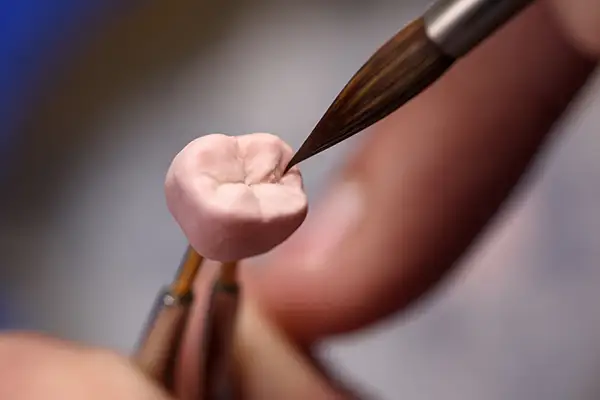
For decades, getting a dental crown meant two appointments, a temporary restoration, and a wait of at least a week or two while a dental lab fabricated the final piece. Computer-Aided Design and Computer-Aided Manufacturing (CAD/CAM) technology has changed that process significantly. By combining digital scanning, computer-based design software, and in-office milling, our dental practice can now plan and deliver a permanent restoration in a single visit to Roy C. Blake III, DDS, MSD, Maxillofacial Prosthodontist. This dental technology can help patients feel more prepared and confident when restorative dentistry care is recommended. The Digital Scan: Replacing Traditional ImpressionsThe CAD/CAM process begins at the impression stage, or rather, where the impression stage used to be. Traditional impressions require patients to bite down on soft material loaded into rigid trays. The material captures a mold of the teeth, which is then poured into stone or sent to a lab as a physical model. While effective, this method introduces variables: material distortion, patient movement, saliva contamination, and the possibility that a retake is needed. Digital intraoral scanning eliminates these concerns. A small, handheld scanning wand is moved along the surfaces of the teeth and gums, capturing precise three-dimensional data in real time. The scan takes only a few minutes, requires no impression material, and produces a detailed digital model that the dentist can review on screen immediately. Patients who have found traditional impressions uncomfortable, particularly those with a strong gag reflex, often find digital scanning considerably easier to tolerate. Designing the Restoration With PrecisionOnce the digital model is complete, the dentist uses design software to plan the restoration. The software displays the tooth in three dimensions and allows the dentist to shape the crown, inlay, onlay, or veneer with accuracy that even skilled lab technicians cannot always match manually. The design process accounts for more than just the tooth being restored. The software evaluates the bite relationship with opposing teeth, the contact points with adjacent teeth, and the overall symmetry of the smile. Margin placement, one of the most critical factors in how well a crown performs over time, is reviewed in detail before milling begins. Any adjustments are made on screen, not at the chair after the restoration has already been fabricated. Milling and Placement in One AppointmentAfter the design is finalized, the file is sent to the in-office milling unit. The machine carves the restoration from a pre-shaded ceramic or composite block, typically completing the milling process in 15 to 20 minutes. The dentist then inspects the milled piece, makes any minor refinements, and polishes it before placement. The restoration is bonded or cemented into place and checked for fit and bite. By the time the patient leaves the office, the procedure is finished. There is no temporary crown to maintain, no second appointment to schedule, and no waiting period between the preparation of the tooth and the final restoration. Why the Quality of Same-Day Restorations MattersA common question patients have is whether a same-day restoration is as reliable as one made by a dental lab over the course of a week. In most cases, the answer is yes. CAD/CAM restorations are milled from solid blocks of high-quality ceramic material under consistent, controlled conditions. The digital design process removes the manual steps that can introduce variation in traditionally fabricated restorations.
Applications Beyond Single CrownsWhile same-day crowns are the most common application of CAD/CAM technology, the system supports a broader range of restorative work. Inlays and onlays, which are custom-fitted restorations that preserve more of the natural tooth structure than a full crown, are particularly well-suited to digital fabrication. Their precise margins and complex shapes are difficult to replicate consistently by hand but are handled reliably by milling software. CAD/CAM technology is also used in implant-supported restorations. A digital scan of the implant site and surrounding anatomy allows the dentist to design a crown that fits precisely over the implant abutment. In practices equipped for guided implant surgery, the digital workflow can extend from treatment planning all the way through final restoration, with each step based on the same foundational scan data. Veneers, which require extremely thin and accurate fabrication to look natural and bond properly, are another area where CAD/CAM precision offers advantages over traditional methods. What Patients Can ExpectAn appointment that incorporates CAD/CAM technology follows a similar structure to any restorative visit. The tooth is prepared, the digital scan is taken, the design is completed on screen with the patient present if desired, and the milling unit runs while the patient waits. The total appointment time may be longer than a traditional prep visit alone, but it eliminates the need for a second appointment entirely in most cases. Patients are encouraged to ask questions during the design phase. Seeing the restoration on screen before it is milled gives patients a clearer picture of the work being done and an opportunity to discuss expectations with their dentist directly. Ready to Learn More?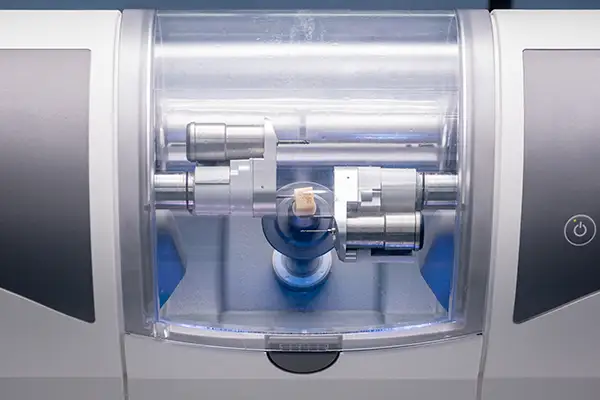
If you have been told you need a crown or other restoration, Roy C. Blake III, DDS, MSD, Maxillofacial Prosthodontist can explain whether CAD/CAM technology is the right fit for your situation. Call our office at (561) 296-3399 to schedule an appointment and speak with our team about your options. |
"Dr. Blake is always extremely professional, meticulous, accommodating, and at the same time, affable and sincerely interested in his patient’s well-being and concerns. The staff is at all times very courteous and professional. Their constant friendly and pleasant attitudes ensure that at every visit, the patient’s experience is always relaxing and positive." -John |