How Long is the Recovery Process for Implants?
Jupiter, FL
Dental implants restore missing teeth in a way that closely mirrors natural function. While the final result often feels stable and natural, the process of getting there involves several healing stages. Many patients are surprised to learn that implant recovery is not a single event but a sequence of biological changes that allow the implant and surrounding bone to work together. Understanding the general timeline helps patients know what to expect after surgery and how their mouth will heal in the weeks and months ahead. Most people find the initial healing period manageable, but the full recovery process continues quietly beneath the surface as bone tissue adapts to the implant. At Roy C. Blake III, DDS, MSD, Maxillofacial Prosthodontist, patients are guided through every stage of healing so they know what normal recovery looks like and when to reach out if something seems unusual. The First Few Days After SurgeryThe earliest stage of recovery occurs immediately after implant placement. During the first 24 to 72 hours, the body responds to the procedure with mild swelling and tenderness around the surgical site. This is a normal inflammatory response and a sign that the healing process has begun. Most patients notice the following during the first several days:
Swelling usually reaches its peak within two to three days before gradually improving. Many patients return to work or regular daily routines shortly after surgery, depending on how many implants were placed and the complexity of the procedure. Eating softer foods and avoiding pressure on the implant area helps protect the surgical site during this early healing phase. The gums begin closing around the implant post during this time, forming the first protective seal over the treated area. The First Two Weeks Of HealingDuring the next stage of recovery, the visible gum tissue continues to repair itself. By the end of the first week, many patients notice that soreness has significantly improved. Swelling typically fades, and the gums begin to look more like they did before the procedure. Within one to two weeks, the surface of the gums generally heals enough that everyday activities feel comfortable again. Stitches, if used, are often removed or dissolve during this time. While the outer tissues appear healed fairly quickly, the deeper healing process inside the jawbone is just beginning. At this stage, patients should still be mindful of the implant site. Brushing and flossing remain important, but the area should be cleaned gently to avoid irritation. Patients may also return to a broader range of foods as comfort improves. Osseointegration: The Longest Healing StageThe most important phase of implant recovery occurs beneath the gum line. This stage is called osseointegration, the biological process in which bone tissue grows and bonds with the implant surface. Osseointegration allows the implant to become anchored within the jaw, creating a stable foundation that can support a replacement tooth. This stage takes the longest because bone tissue regenerates slowly. For many patients, osseointegration takes approximately three to six months. During this time, the implant gradually becomes integrated with the surrounding bone structure. Even though patients typically feel normal long before this process finishes, the body is still completing the internal healing necessary for long term stability. Several factors can influence the speed of osseointegration, including:
Regular checkups at Roy C. Blake III, DDS, MSD, Maxillofacial Prosthodontist allow our dental team to monitor this stage and confirm that healing is progressing as expected. Placing The Abutment And Final RestorationOnce the implant has successfully integrated with the bone, the next step involves attaching the abutment. The abutment is the small connector that links the implant to the replacement tooth. This stage is usually a minor procedure compared to the original surgery. The gums may require a brief healing period afterward, typically lasting one to two weeks. During this time, the gum tissue shapes itself naturally around the abutment. After the gums have healed, the final crown, bridge, or implant-supported denture is placed. At this point, the restoration begins functioning like a natural tooth. Patients can chew, speak, and smile comfortably while enjoying the stability implants provide. Although the full implant process can take several months, most of that time involves quiet internal healing rather than physical discomfort. What Normal Healing Should Look LikeEvery patient heals at a slightly different pace, but there are common signs that indicate recovery is progressing normally. During the early weeks following surgery, patients may notice gradual improvements such as:
As long as these improvements continue, the implant site is typically healing as expected. Follow up visits allow our team at Roy C. Blake III, DDS, MSD, Maxillofacial Prosthodontist to confirm that the implant is stable and the bone is adapting properly. Signs That Require A Call To Roy C. Blake III, DDS, MSD, Maxillofacial ProsthodontistAlthough complications are uncommon, it is important for patients to know when something may require professional attention. Prompt communication helps prevent minor concerns from developing into larger problems. Patients should contact Roy C. Blake III, DDS, MSD, Maxillofacial Prosthodontist if they notice any of the following symptoms:
These symptoms do not automatically mean that the implant has failed, but they should be evaluated quickly so the underlying cause can be addressed. Early intervention allows our dental team to protect the healing implant and maintain the progress that has already been made. Supporting A Smooth RecoveryWhile much of implant healing occurs naturally within the body, patients play an important role in supporting the process. Maintaining good oral hygiene, attending follow up visits, and following post operative instructions all contribute to successful recovery. Patients who care for their dental implants properly often find that once healing is complete, the implant becomes a reliable part of their daily routine. With proper maintenance and regular dental visits, implants can function comfortably for many years. 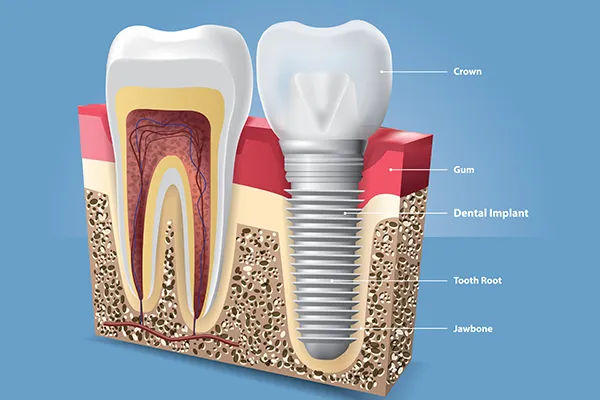
At Roy C. Blake III, DDS, MSD, Maxillofacial Prosthodontist, patients receive clear guidance throughout the recovery process so they understand what each stage involves and how their mouth is healing along the way. Knowing what to expect can make the entire experience more comfortable and predictable, allowing patients to focus on the long term benefits of a restored smile. |
"Dr. Blake is always extremely professional, meticulous, accommodating, and at the same time, affable and sincerely interested in his patient’s well-being and concerns. The staff is at all times very courteous and professional. Their constant friendly and pleasant attitudes ensure that at every visit, the patient’s experience is always relaxing and positive." -John |